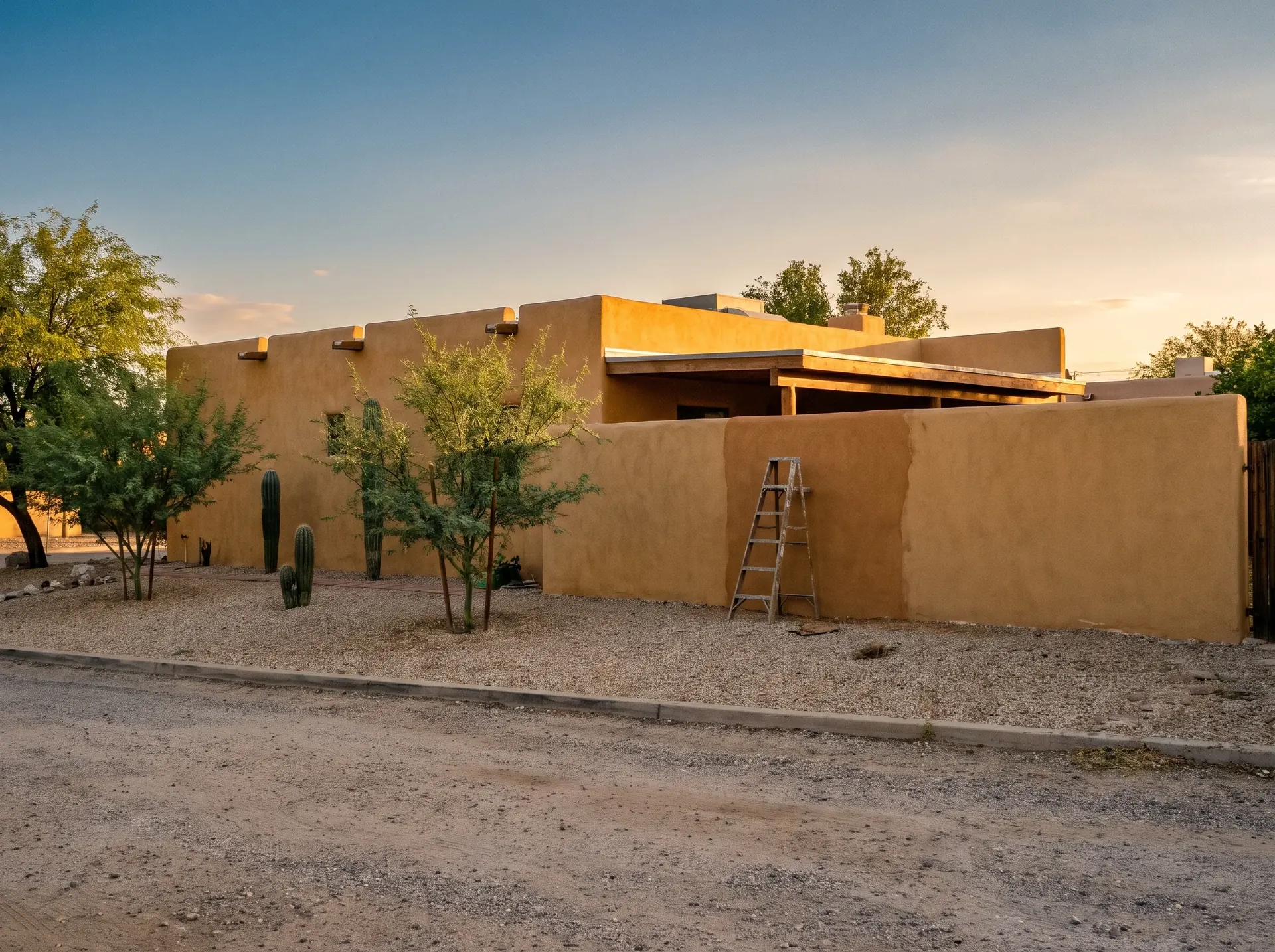
Stucco Repair
Damaged sections cut back to sound material, rebuilt in layers and blended into the finish, with the cause dealt with so the same spot does not fail twice.
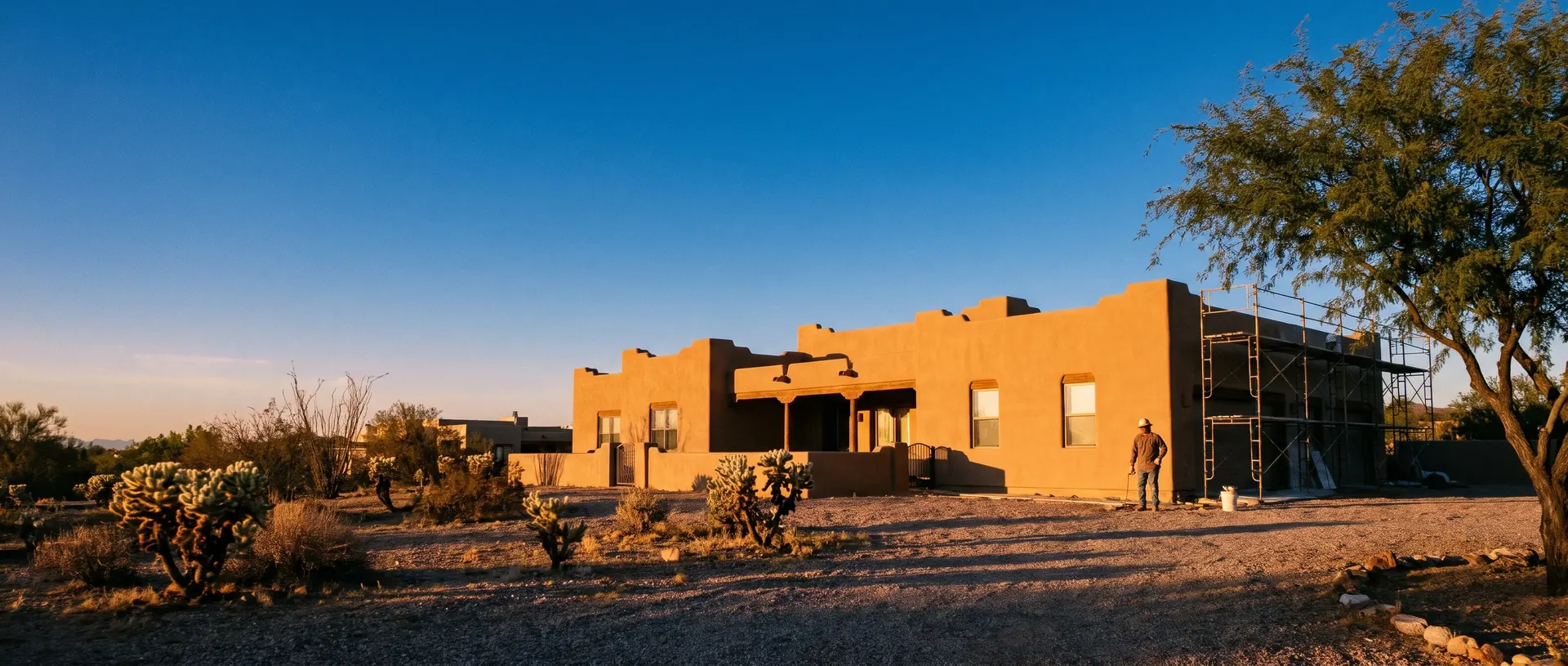
Re-stucco is the largest decision on an exterior, and it comes in two very different sizes. We test the wall first, so you pay for the one your home actually needs.
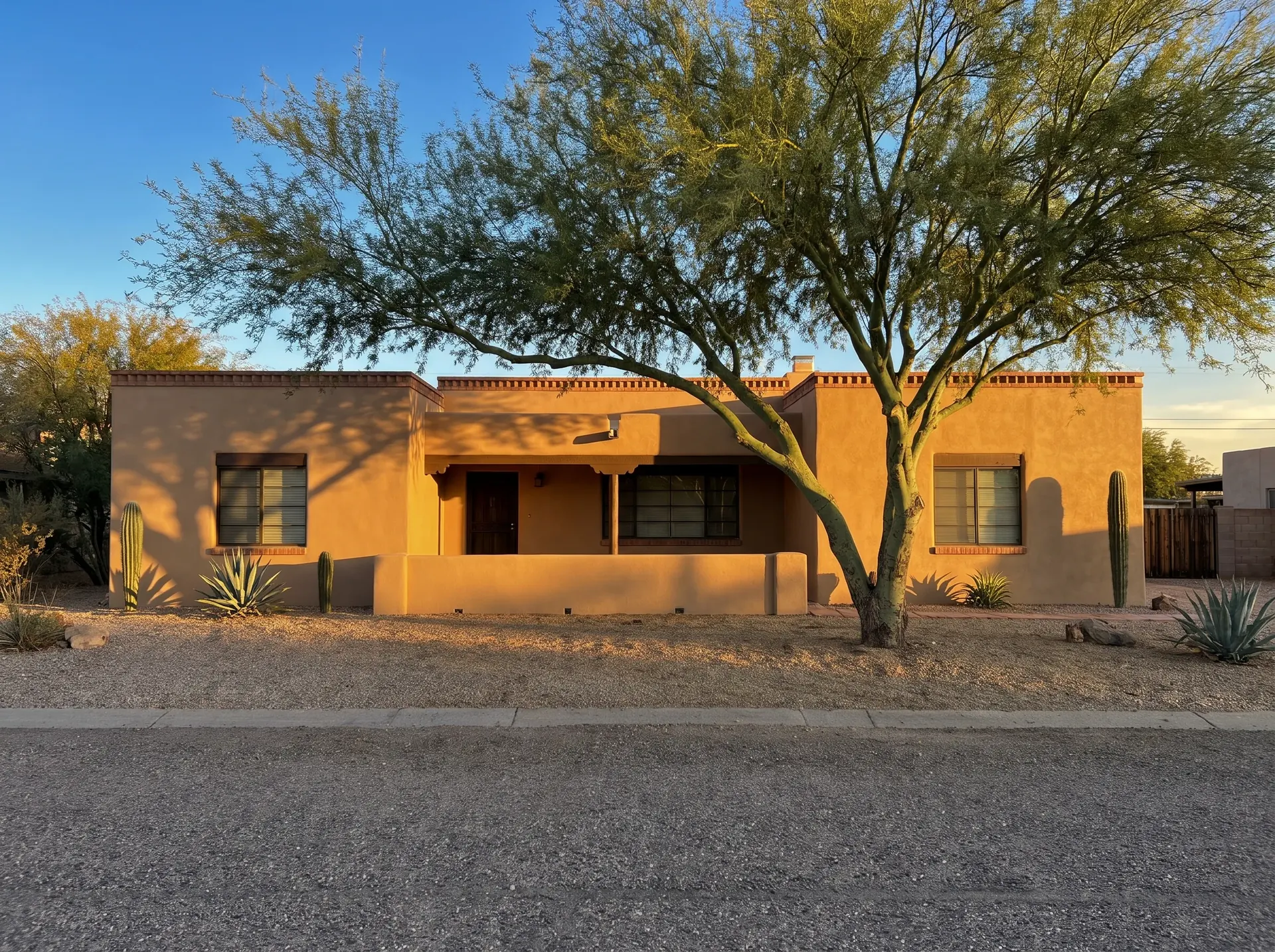
"Re-stucco" gets used for two jobs that sit far apart in cost. Resurfacing keeps the existing stucco and adds a new finish over it. A tear off strips the wall back to lath or block and rebuilds the whole system. The difference comes down to one thing: whether what is on your wall now is still sound.
Stucco on Tucson homes is usually one of a few types. Older frame homes tend to have three coat stucco, a scratch coat and a brown coat over metal lath, topped with a color finish. Many newer production homes use one coat stucco, a thinner fiber reinforced base over foam board, then a finish. Block homes often carry stucco applied directly to the masonry. Each behaves differently, and each sets different limits on what you can put on top.
So we start by finding out what you have. We tap each elevation to map hollow areas, look at how the existing finish takes water, check whether earlier coats include paint or acrylic, and look hard at the parapets. A parapet cap that leaks will undermine a new finish just as it undermined the old one.
The base is bonded and dry, cracks are small and stable, and the trouble is mainly an old, patched or dated finish. A new coat gives you an even color and texture, and it erases years of patches that no longer match.
Large areas sound hollow, lath has rusted, water has been getting behind the wall, or layers have piled up until there is no safe way to add more. It costs much more, and it also lets us replace the paper, repair flashing details and correct a weep screed that was buried long ago.
If the stucco is sound and you simply want a fresh color, a fog coat or paint costs far less. If only one wall is bad, repair may cover it. Re-stucco should be a last resort, not a first offer.
Older Tucson homes often carry decades of repairs in slightly different textures and colors. A new finish coat ties them together, so the whole home reads as one surface instead of a history of past problems.
Chalking, fading and erosion on south and west walls, a texture that has gone out of date, or a coat that has started to flake. Where the base beneath is sound, these are finish problems and can be solved at the finish.
Widespread hollow areas, rusted lath, torn or missing paper, and coats that have lost their bond after years of moisture. When the system underneath has reached its end, adding a layer only hides that for a while, so we take it back.
We tap the walls systematically and note where they sound hollow. That map, more than anything else, separates a resurface from a tear off.
Three coat or one coat, frame or block, cement or acrylic finish, painted or bare, and foam or not. Each affects what will bond and what would be a mistake.
Parapet caps, roof transitions and scuppers at the top. Weep screed, soil level and irrigation at the bottom. Any of these can shorten the life of an otherwise good job.
A written scope for what we recommend, the alternative we considered and why, and notes on texture and color, permits where the scope may call for them, and HOA approval where it applies.
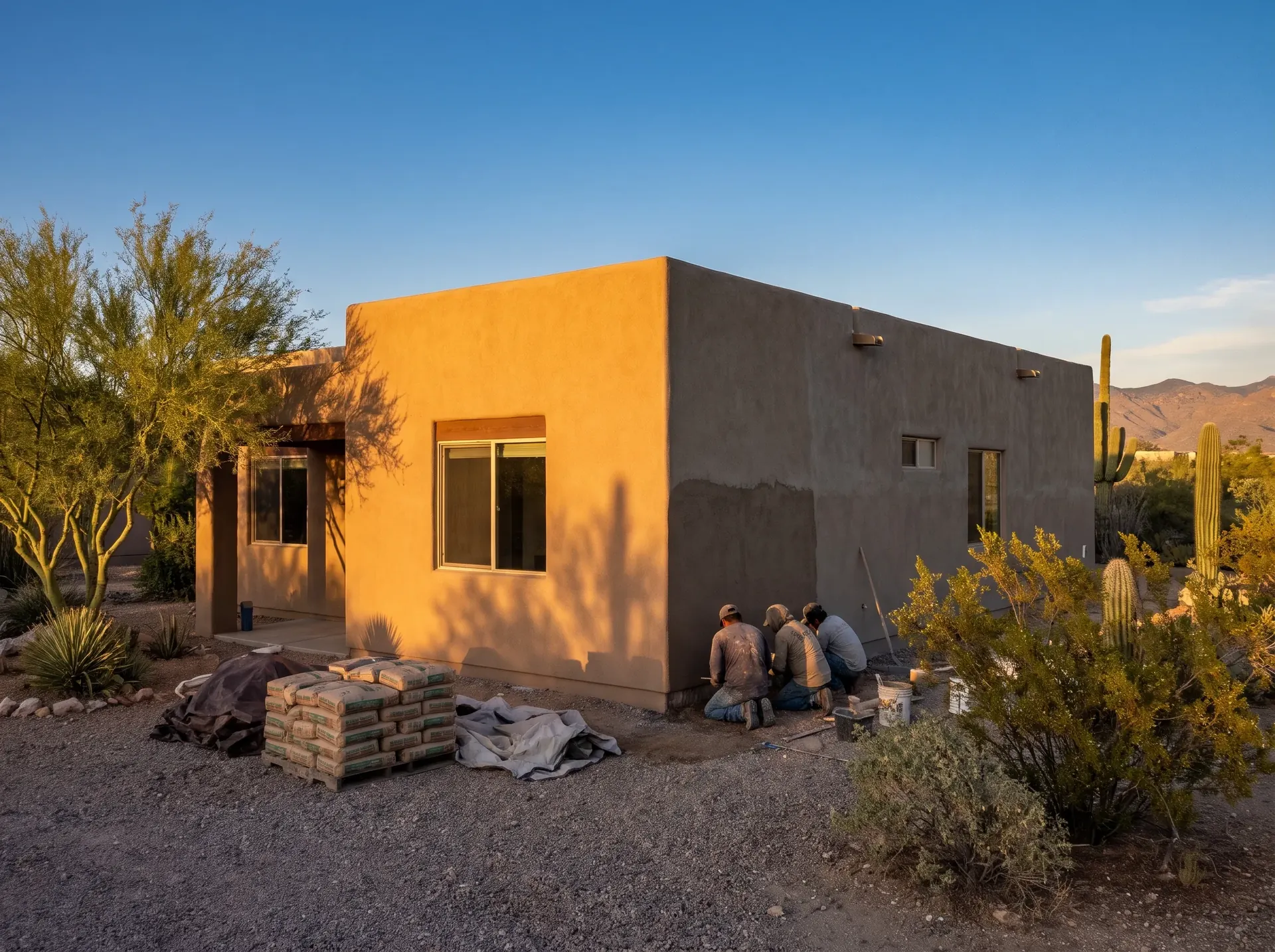
We cover windows, doors, plants close to the wall and walkways, and agree on access, power, water and where materials will sit.
Anything letting water in gets dealt with first, including parapet caps and irrigation. Roof flashing work goes to your roofer, and we plan around it.
For a resurface we clean the wall, repair cracks and hollow spots, and treat painted areas so a new coat can bond. For a tear off we remove the old stucco and rebuild lath and paper.
On a tear off, scratch and brown coats go on in stages, with curing time between them. On a resurface, a base or leveling coat evens out the old texture where needed.
Finish coats run corner to corner without stopping mid wall, because a stopped edge shows. In warm months we move around the home to stay out of direct sun.
We remove protection, clean up, check the weep screed is clear, and look over every elevation with you at a time of day when the light shows the finish.
Because we would rather talk you down than up. Re-stucco is a large spend, and on many Tucson homes a recoat will do. We show you what we found on your walls, so you can see the reason for what we recommend.
Because we plan for the climate. Applying cement in direct summer sun, on a hot wall with low humidity, is how you end up with a weak, crazed finish. Timing, shade and curing are part of the job here, not extras.
And because the top and bottom of the wall matter as much as the middle. A new finish over a leaking parapet or a buried weep screed will show its age far too soon, however good it looks on the day.
Before you commit to the biggest option, let us sound the walls and tell you whether you actually need it.
Often, yes, if the existing stucco is bonded, dry and reasonably clean. Painted or sealed walls need extra prep, such as a bonding agent or sometimes metal lath, because new cement will not grip a slick coat. Over hollow or wet stucco, no. The new layer would only be as secure as the failing one under it.
It will on clean, bare, slightly damp stucco, and that bond can be very good. It struggles on dust, chalk, paint and acrylic finishes. Prep is what makes the difference, so we check what is actually on the wall and choose a bonding approach to suit before anything goes on.
The stucco itself does not run to a schedule. A well kept wall may never need a full re-stucco in your time owning it. The finish is another matter. Expect to recoat or repaint at some point every decade or two, sooner on walls that take the worst of the afternoon sun.
Replacing stucco is the most expensive option, because you pay for removal and disposal, new paper and lath, multiple coats and curing time. Wall area, height, access, the number of corners and openings, and any hidden damage all add to it. We give you a written price after sounding the walls, along with the cost of any lesser option that could also work.
On a cement stucco wall, yes. The scratch and brown coats give strength and flatness, while the finish coat gives color and texture and takes the weather. A bare brown coat is porous and blotchy. Some systems replace the traditional cement finish with an acrylic one, but something has to serve as the top layer.
There is no fixed figure we can honestly give you. A clean, even exterior helps a home's appeal, and buyers do notice cracks and stains. On a Tucson home, where stucco is the norm, new stucco is more likely to remove an objection than to add a premium. It is worth asking a local agent if value is your main reason.
We take on re-stucco work in Tucson, Oro Valley, the Catalina Foothills, Marana, Sahuarita, Casas Adobes, Vail and Green Valley.
Damaged sections cut back to sound material, rebuilt in layers and blended into the finish, with the cause dealt with so the same spot does not fail twice.
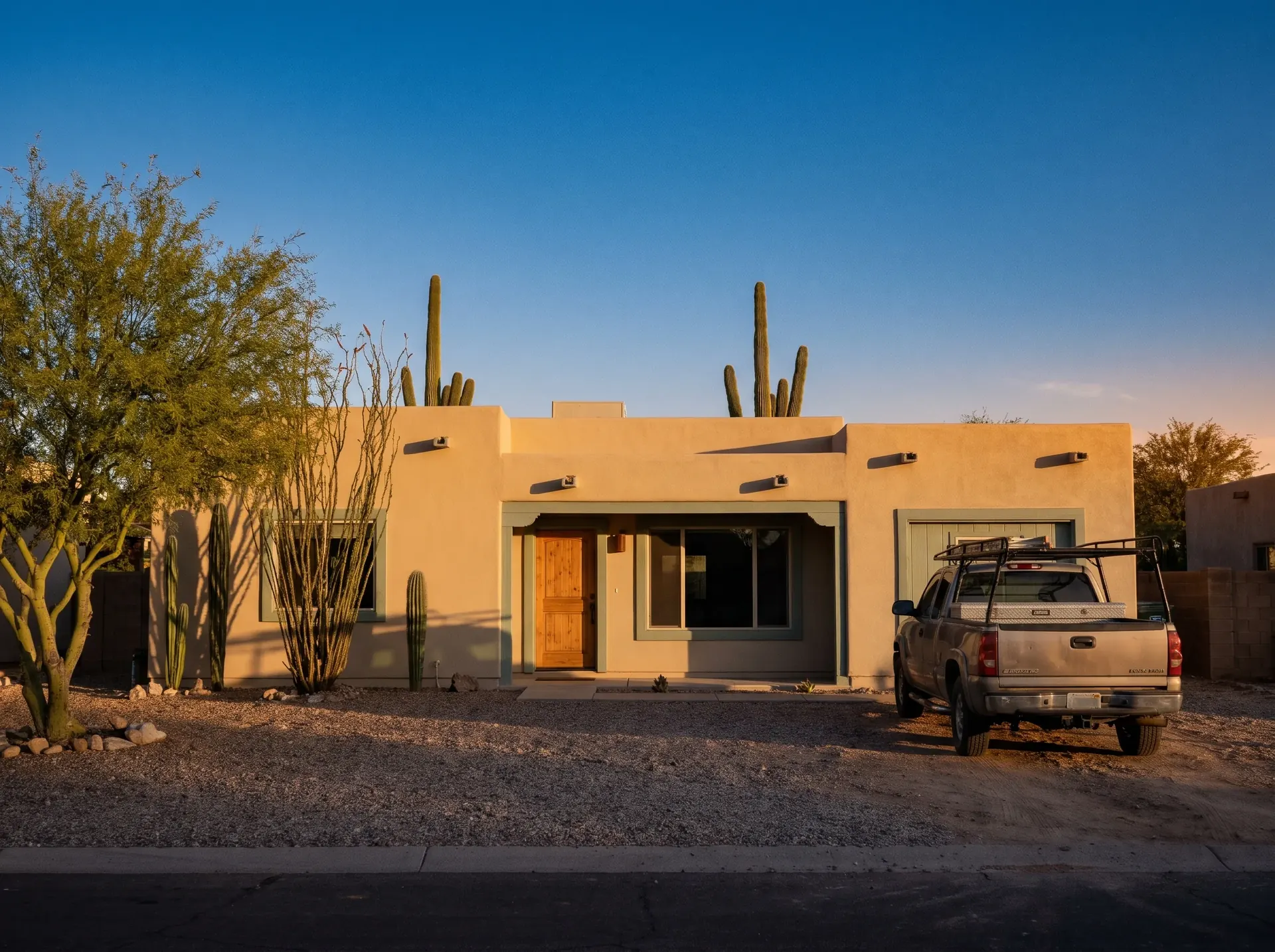
Color refreshes and full color changes using breathable coatings, with prep that deals with chalk and sun before anything goes on the wall.
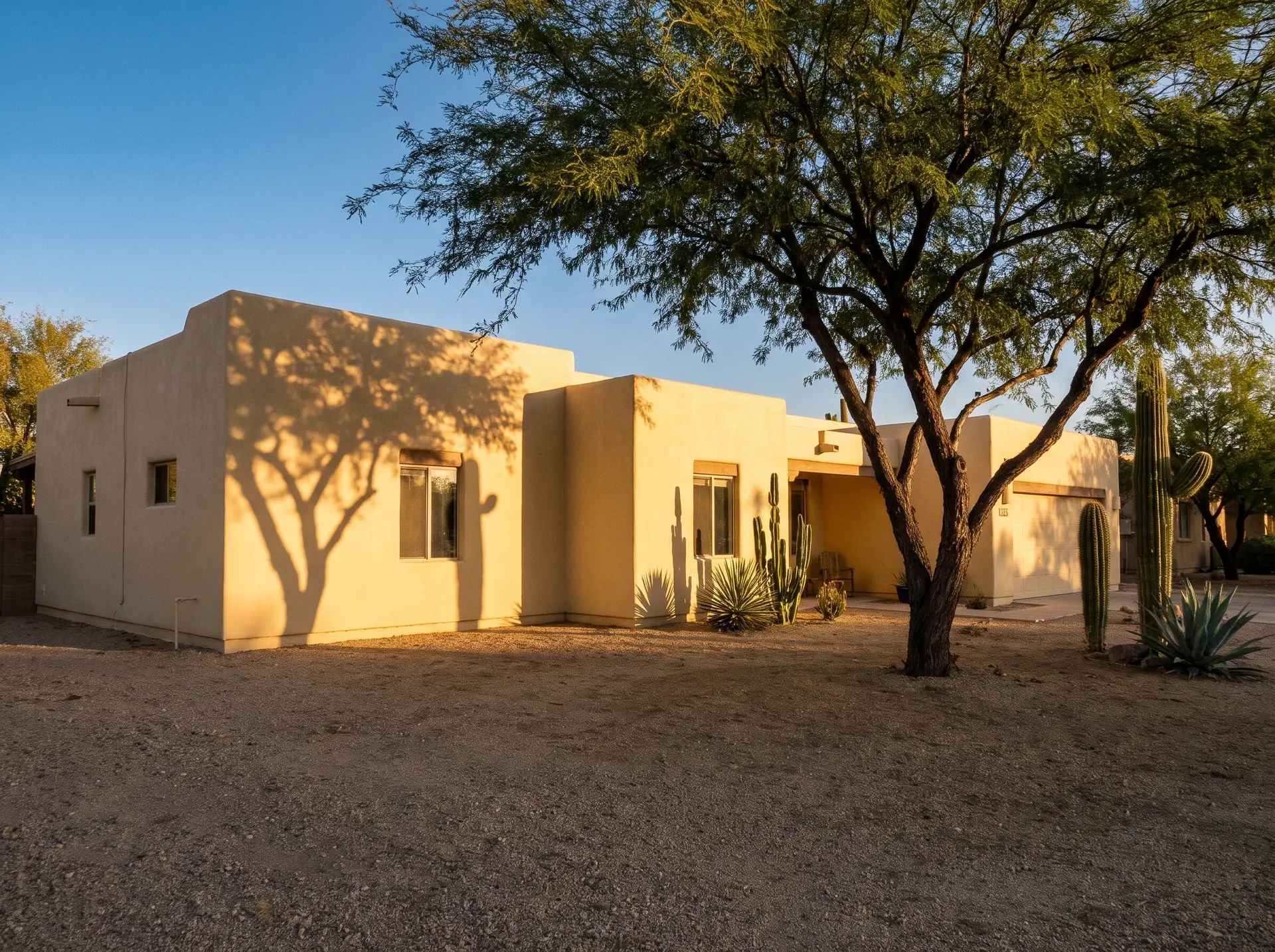
Thick, flexible coating systems for hairline cracking, along with a straight answer on the walls where they would trap moisture and do harm.
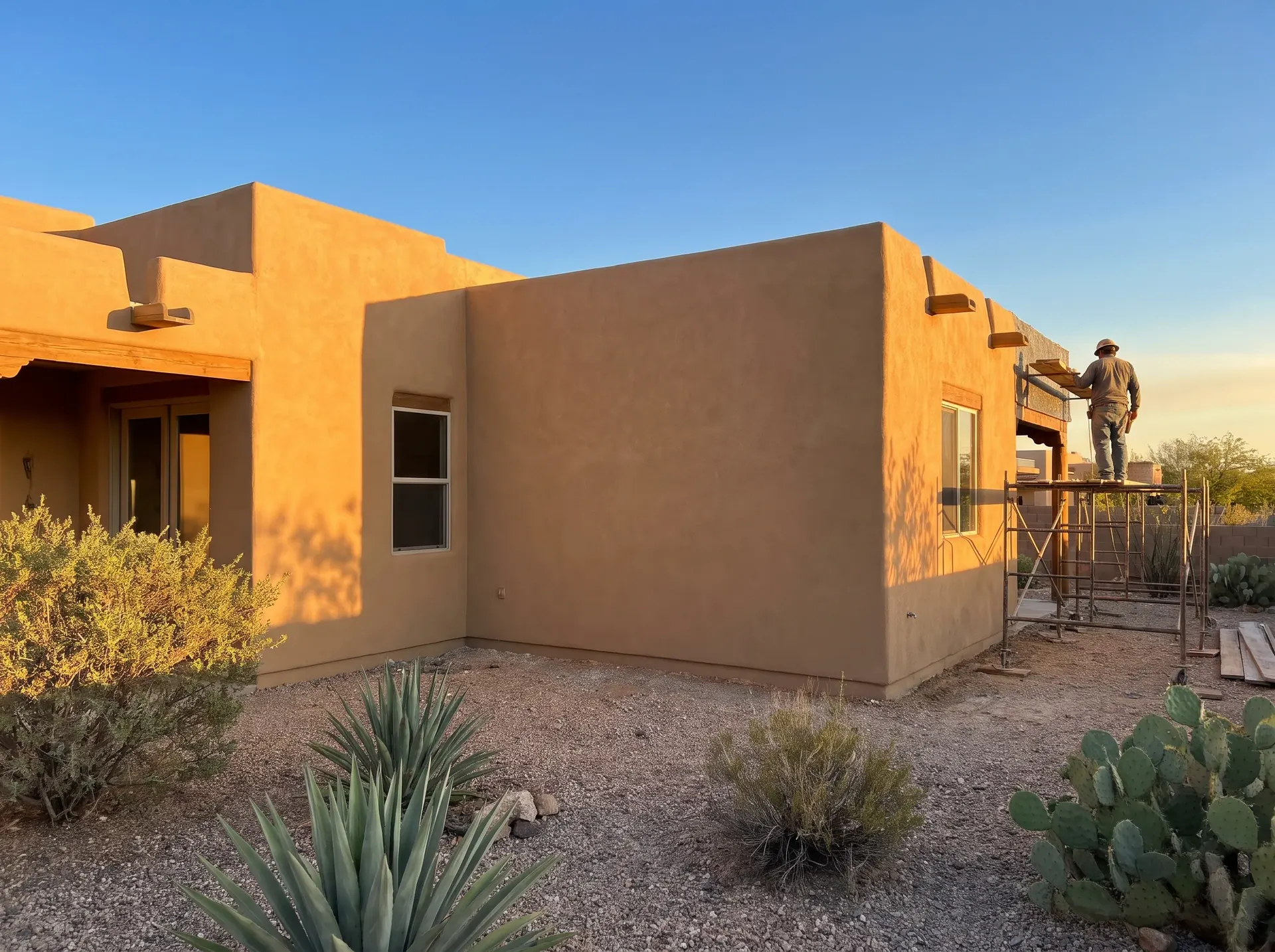
Lath, scratch, brown and finish coats for additions, garden walls and exterior upgrades on block or frame.
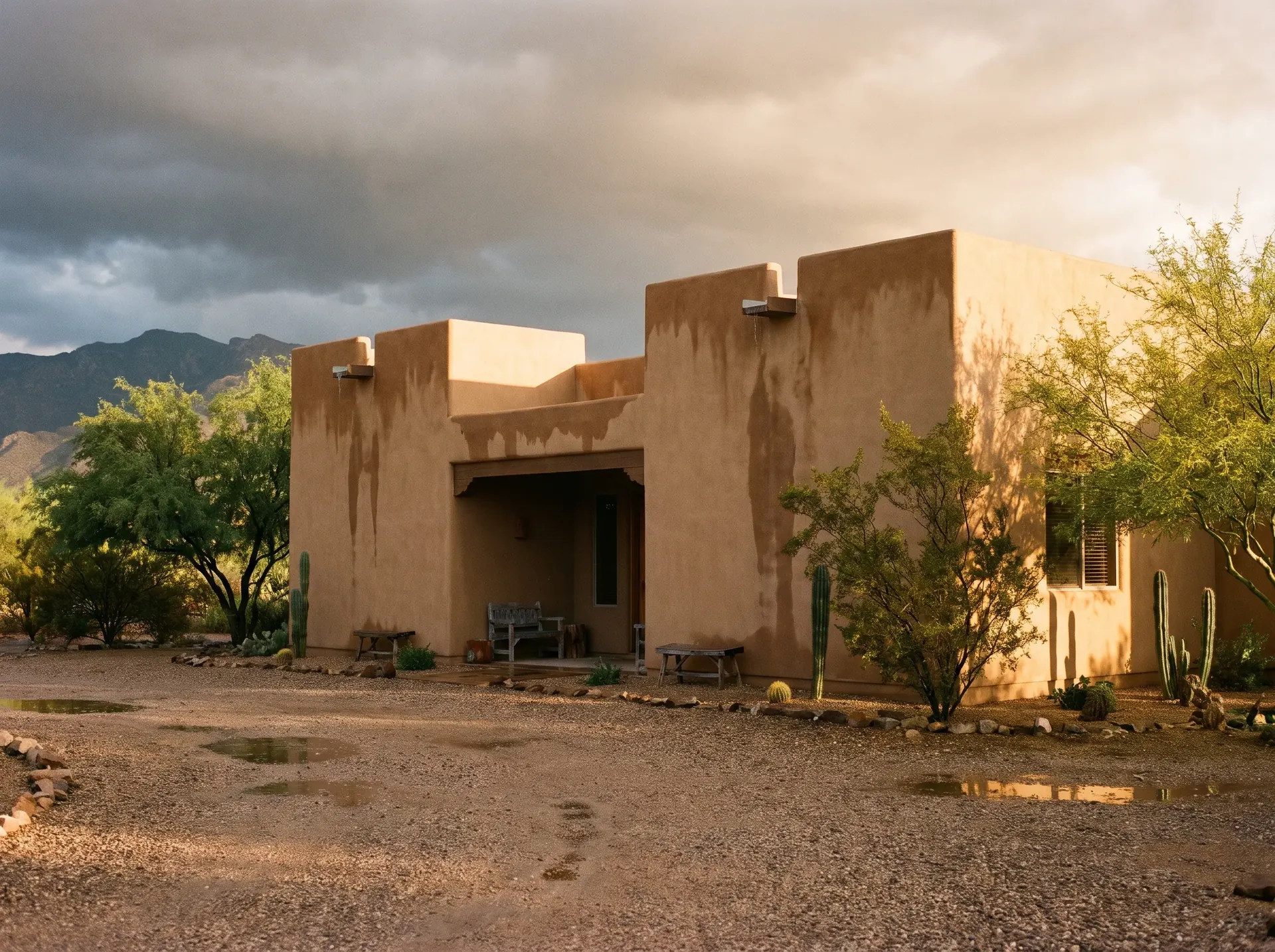
Moving cracks, parapet leaks and damp walls traced to their source and corrected from there outward.
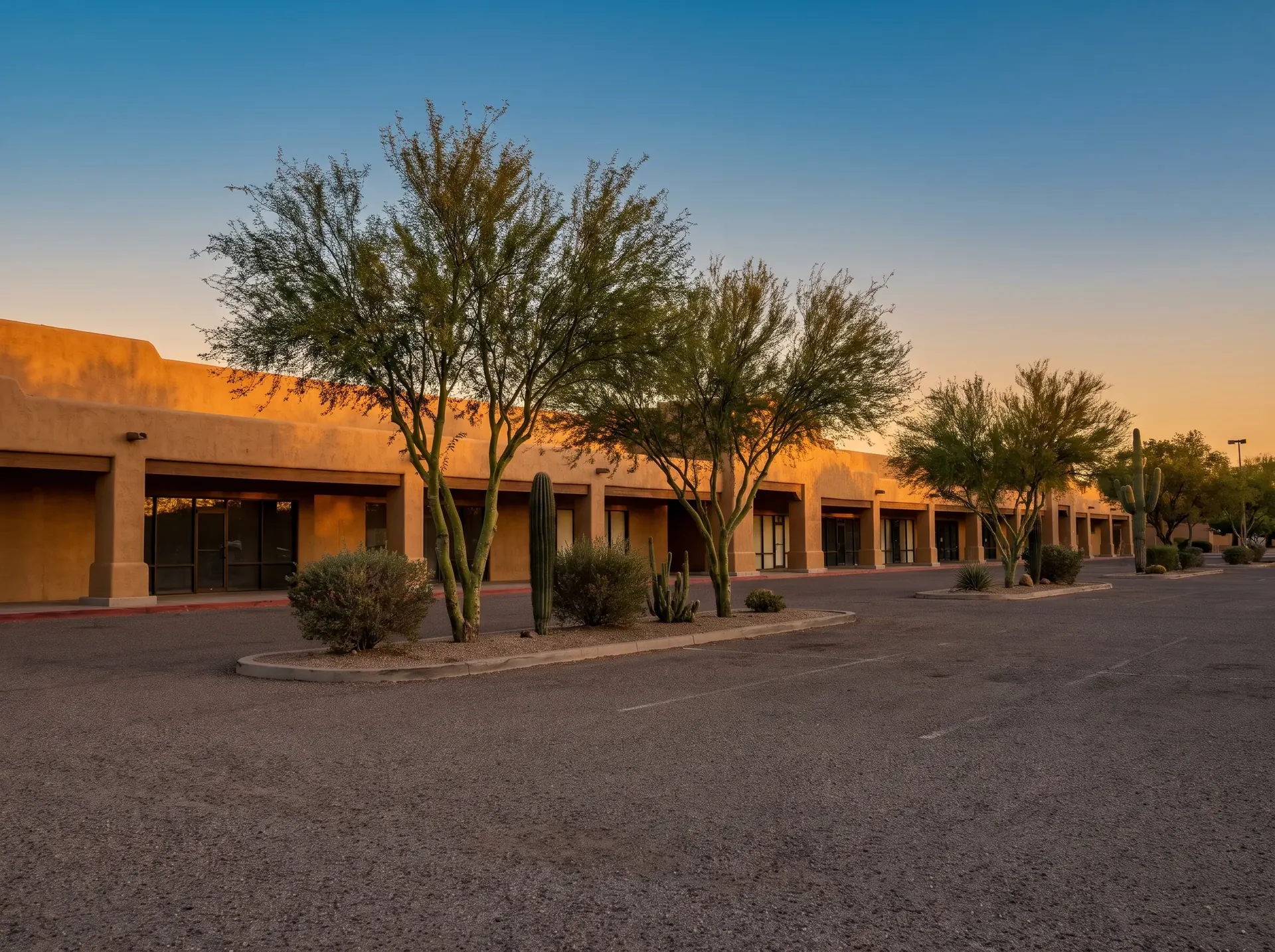
Shopping centers, offices, multifamily and HOA communities, with phasing and scope documents that suit a board or owner.
Tell us the age of the home, what the walls look like, and why you are thinking about it. We will come out, sound the walls and show you the options.
Mon to Fri, 7am to 4pm. Saturday estimates by appointment.