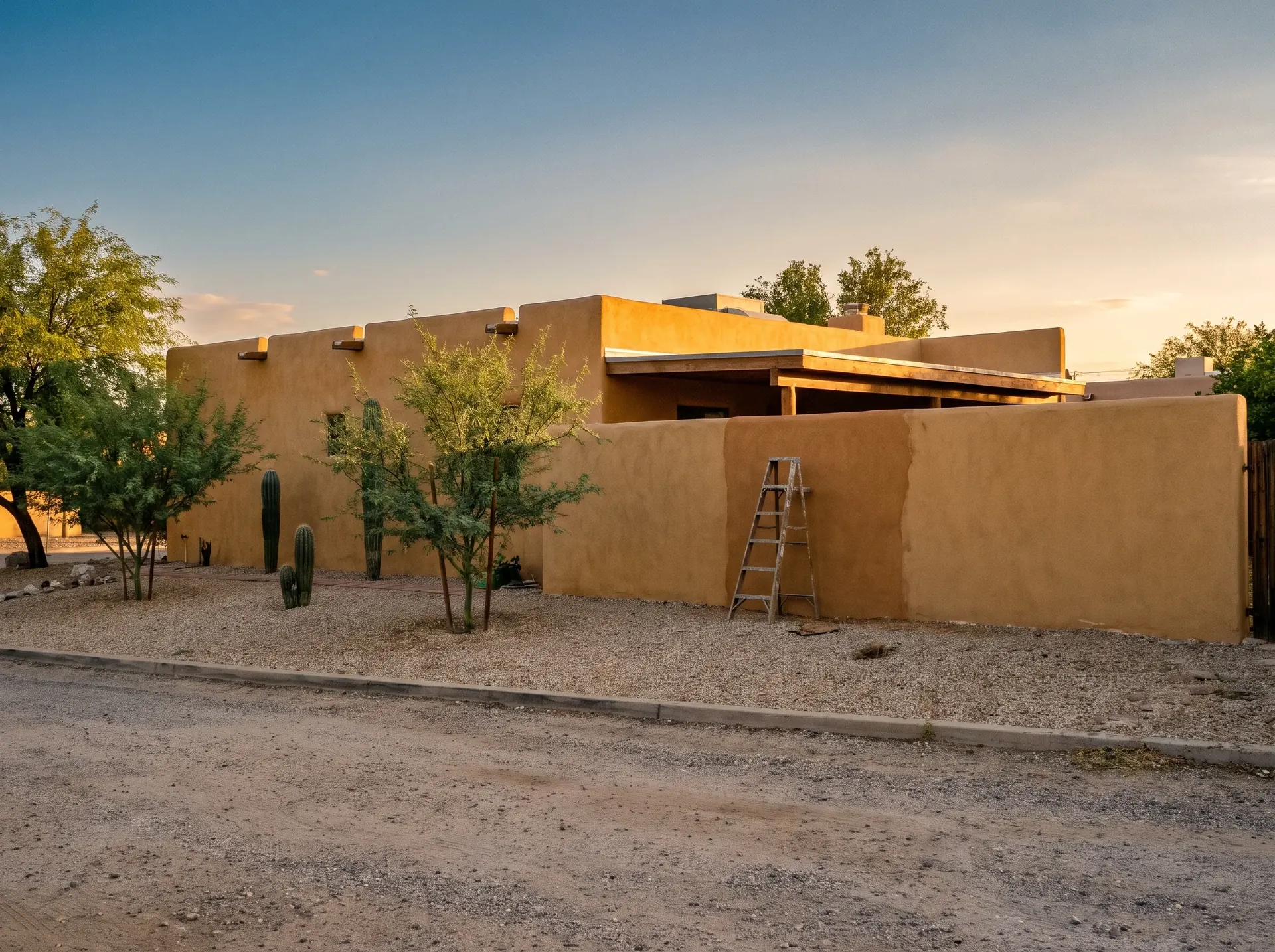
Stucco Repair
Damaged sections cut back to sound material, rebuilt in layers and blended into the finish, with the cause dealt with so the same spot does not fail twice.
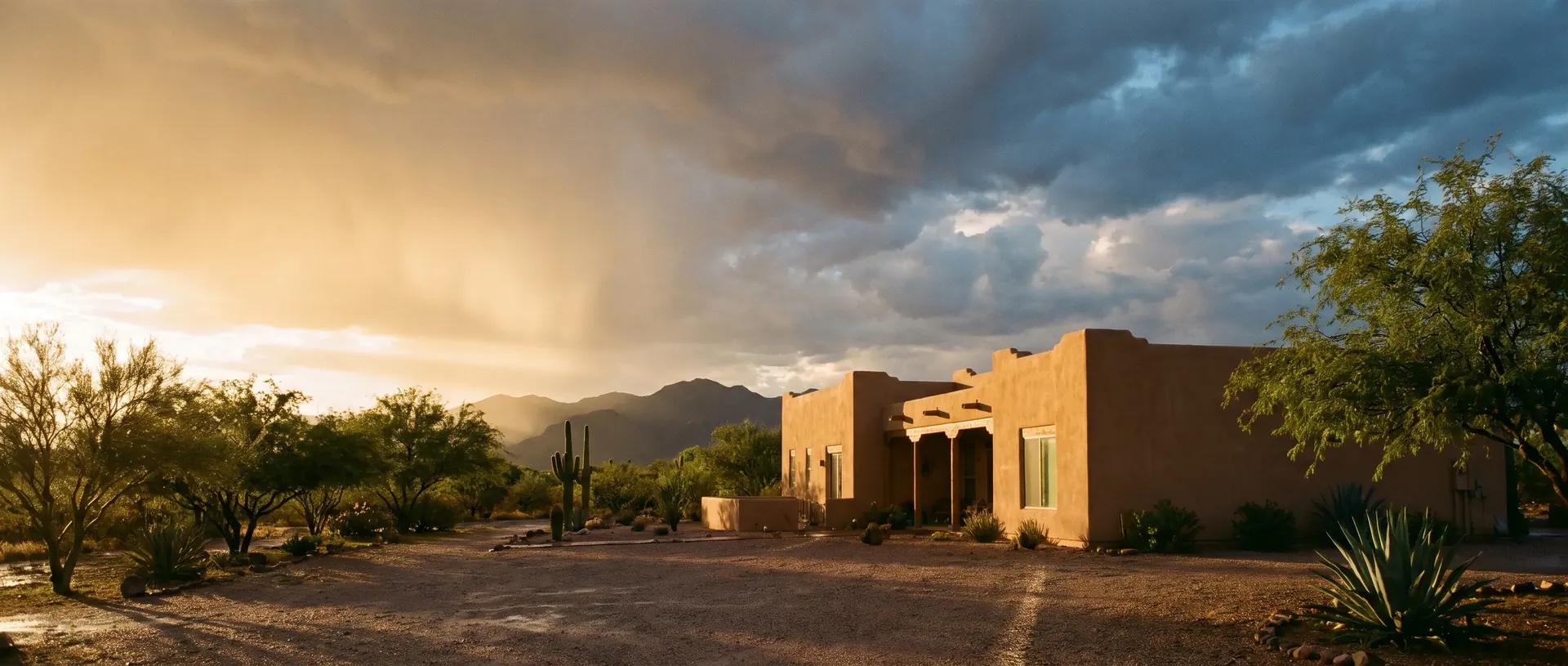
Most cracks are harmless and some are the first sign of something bigger. We work out which you have, then correct it from the source outward instead of filling the line and hoping.
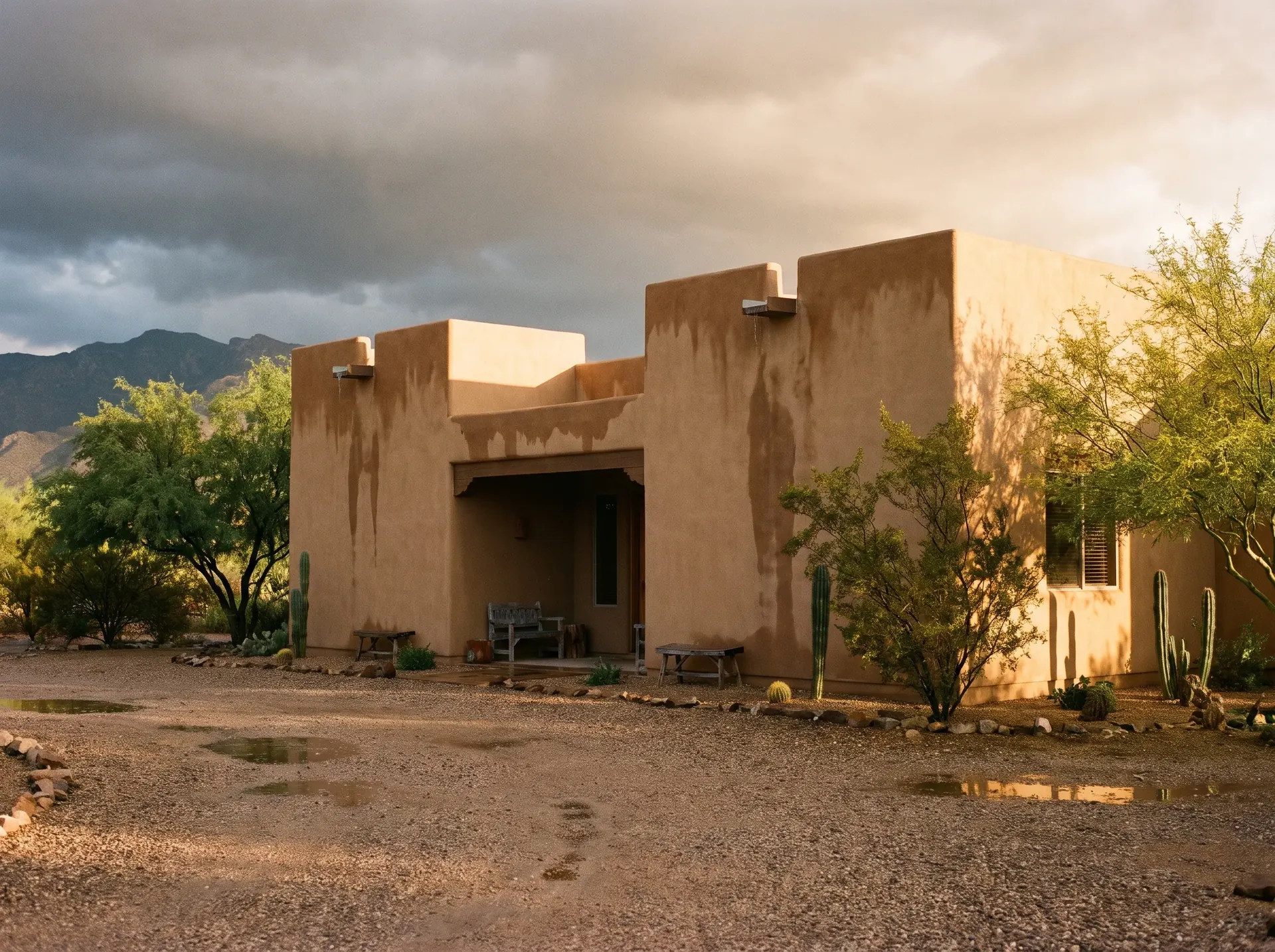
A crack is a symptom, and the right response depends on what it is telling you. Stucco is a cement product, so it shrinks and develops fine lines all on its own. Those lines usually need a coating decision, not a repair. A crack that widens, steps across the wall or reopens every summer is movement. A stain, a blister or a soft patch nearby is water. Each of the three leads to a different job.
Movement in Tucson often traces to the ground. Caliche and clay soil do not behave evenly, and irrigation next to a footing can make one corner of the home shift differently from the rest. You see it at window corners, where stress gathers, and along the joint between an addition and the original house. Heat adds its own daily expansion and contraction.
Water on a Southwest home most often enters from above. A flat roof ends in parapets, and the top of a parapet is a horizontal surface that takes every monsoon storm head on. Stucco caps crack, sealant dries out, and water follows the wall down inside. The stain often shows up several feet below the leak, or on a ceiling inside the house.
The crack is defined, the wall around it is sound, and the cause is understood or already addressed. We route and fill it with a compatible material and rework the texture.
Dozens of fine hairlines across a sound wall call for a coating, not individual repairs. If cracking comes with widespread hollow areas, look at re-stucco. And if the wall is wet, the repair comes after the leak is fixed, not before it.
Cracks that are wide, growing quickly or paired with doors that stick may point to a foundation problem, and a structural engineer should see those. Roof membranes and flashing belong to a roofer. We will tell you when you need one and work with them.
Cracks at window and door corners, along addition joints and across long walls. We route them, fill them with a flexible material and work the texture back, then add or restore control joints where the wall needs somewhere to move.
Cracked stucco caps, failed sealant and tired coatings on the top of the wall, plus damage where parapets meet the roof and around scuppers. We rebuild the cap detail so it sheds water instead of collecting it.
Bubbling finish, efflorescence, soft patches and rust stains, along with base damage from irrigation overspray and buried weep screeds. We remove what has failed, repair the paper and lath, and open a route for water to drain.
Width, direction, location and whether they have been filled before. Fine map cracking, stepped cracks and cracks at corners each point to a different cause.
We check parapet caps, roof transitions, scuppers and penetrations above the damage first, then work down the wall to the base, including nearby irrigation and soil levels.
We sound the wall around the area and take moisture readings where they would help. If something behind the stucco needs opening up to confirm, we tell you and explain why first.
What we think is happening, how sure we are, what we would do, who else should be involved, and what you could safely leave for later.
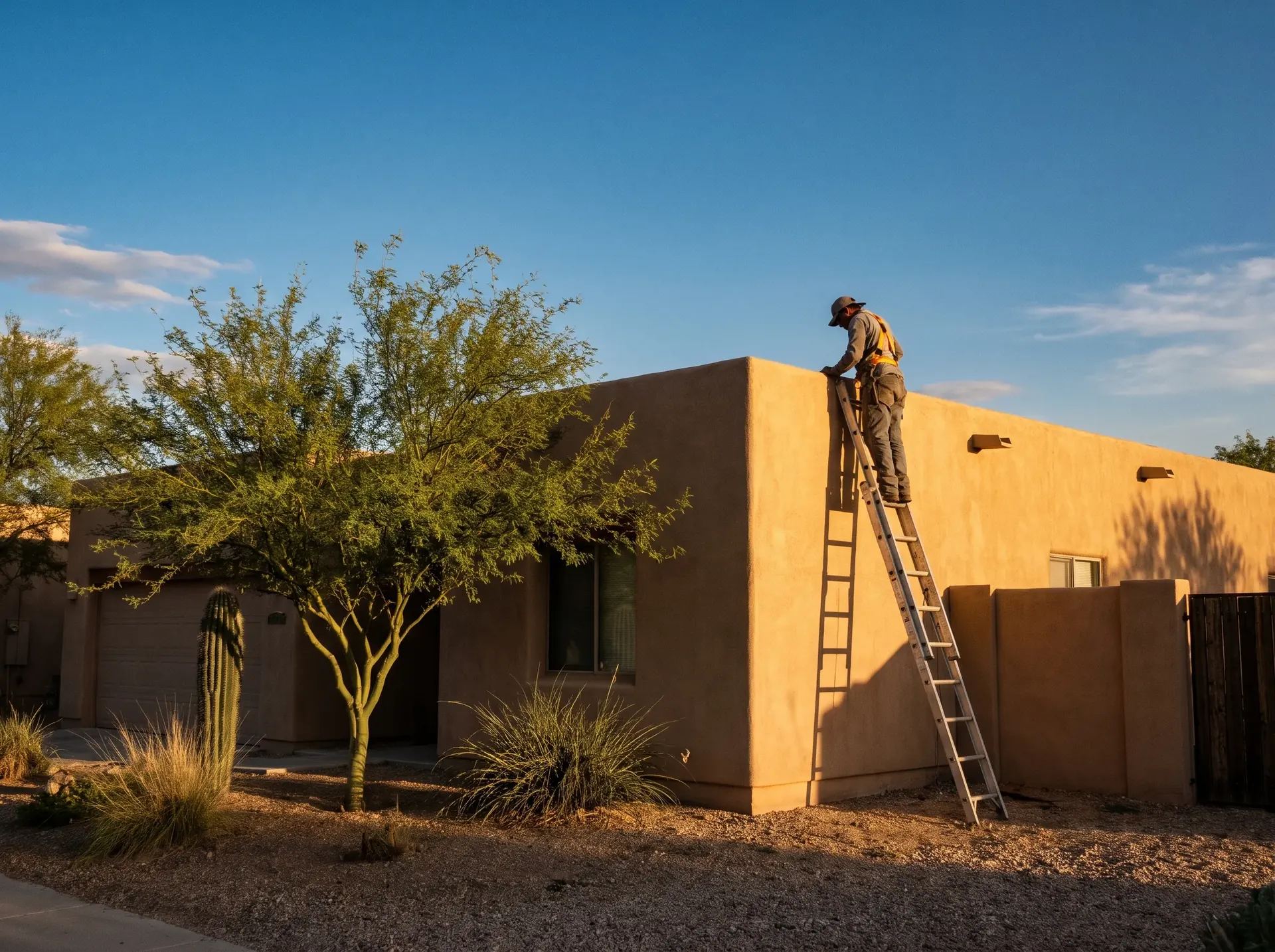
We repair the parapet cap or wall detail ourselves, coordinate with your roofer on membrane or flashing, and advise on changes to irrigation or grading near the wall.
A wet wall needs time before any repair or coating goes on. Tucson's dry air helps, but only after the water has stopped and any trapped moisture has a way out.
We cut out damaged stucco, replace rusted lath and failed paper with correct laps, and deal with any insulation or sheathing issue through the right trade if we find it.
Cracks are opened into a clean groove, then filled with a compatible flexible material. Smearing sealant over a crack without cutting it first simply does not hold.
Base and finish coats rebuild the area, keeping weep screeds and joints open. We blend the texture carefully, and we let you know where a wider recoat would hide the repair better.
Before you close the file on a leak, watch the area through the next storm. We tell you exactly what to look for, and we want to hear if anything shows.
Because we start at the parapet. Plenty of crack repairs fail because the person fixing them looked only at the crack. A few minutes spent on what is above the damage often changes the whole job, and sometimes makes it smaller.
Because we will tell you when it is nothing. A hairline at a window corner is common on a stucco home, and you do not need us to fix it right away. Knowing what you can safely leave is worth as much as knowing what you cannot.
And because we keep the desert in mind. Monsoon rain, thermal cycling, caliche, sprinklers, pack rats and bees all find their way into Tucson walls, and a lasting repair takes each of them into account.
Send us a note about where it is and how long it has been there. A photo helps. We will look at it and tell you what it means.
Shrinkage as the cement cures, the building settling, soil movement, and daily heating and cooling of the wall. Poor installation adds to it: too little lath, missing control joints, or coats that dried too fast. In Tucson, uneven moisture in caliche and clay soil, often from irrigation close to the house, is a common driver of cracks that keep moving.
When a crack is wider than about an eighth of an inch, is growing, keeps returning after repair, runs in steps or at an angle from a window corner, or comes with staining, soft stucco or doors that have started to stick. Fine lines that have not changed in years are generally not urgent.
On a frame wall, it can soak the paper and sheathing, rust the lath and loosen the stucco from its backing. It may then show as stains, efflorescence, bubbling or hollow areas, sometimes far from where it got in. Block walls handle water better, but the finish can still let go. The sooner the source is stopped, the smaller the repair.
Yes, though in Tucson it takes a persistent water source, since our dry air normally does the wall a favor. Wood sheathing and paper that stay damp from a parapet leak can support mold, and you may not see it from outside. If you smell must inside or find staining on the wall, it is worth having that wall looked at, and bringing in a mold specialist if it is confirmed.
Protect the inside first, and move belongings away from the wall. Turn off any irrigation near it. Note when it happens, because leaks that only show during wind driven monsoon rain point in a different direction than those that show after sprinklers. Photograph everything. Do not seal the outside until the source is known, because that can trap the water in.
Cracked caps, dried out sealant at copings, and failed coatings along the top. Flashing where the parapet meets the roof can open up as the roof ages, scuppers can back up behind debris, and the inner face of the parapet is often overlooked because nobody sees it from the ground. Most of these leak quietly for a while before there are any signs below.
That depends on your policy and the cause, so read it and ask your insurer directly. In general, policies tend to respond to sudden events, like a storm or an impact, and tend to exclude gradual wear, settling and long running seepage. We can describe what we find on the wall, but the coverage decision is theirs.
We repair stucco cracks and water damage in Tucson, Oro Valley, the Catalina Foothills, Marana, Sahuarita, Casas Adobes, Vail and Green Valley.
Damaged sections cut back to sound material, rebuilt in layers and blended into the finish, with the cause dealt with so the same spot does not fail twice.
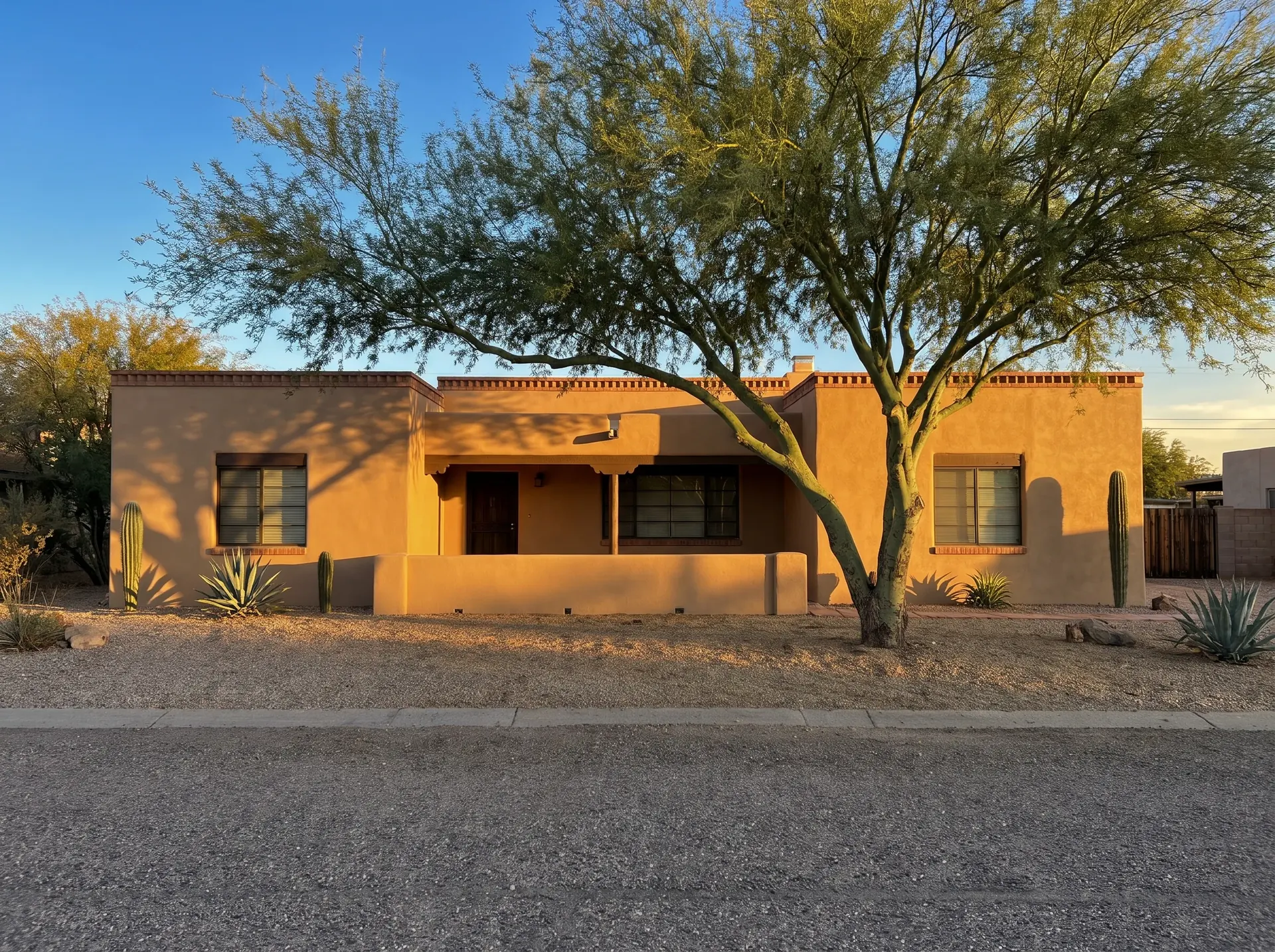
A new finish over walls that are still sound, or a tear off where the old system has failed, so the whole home reads as one surface again.

Color refreshes and full color changes using breathable coatings, with prep that deals with chalk and sun before anything goes on the wall.

Thick, flexible coating systems for hairline cracking, along with a straight answer on the walls where they would trap moisture and do harm.
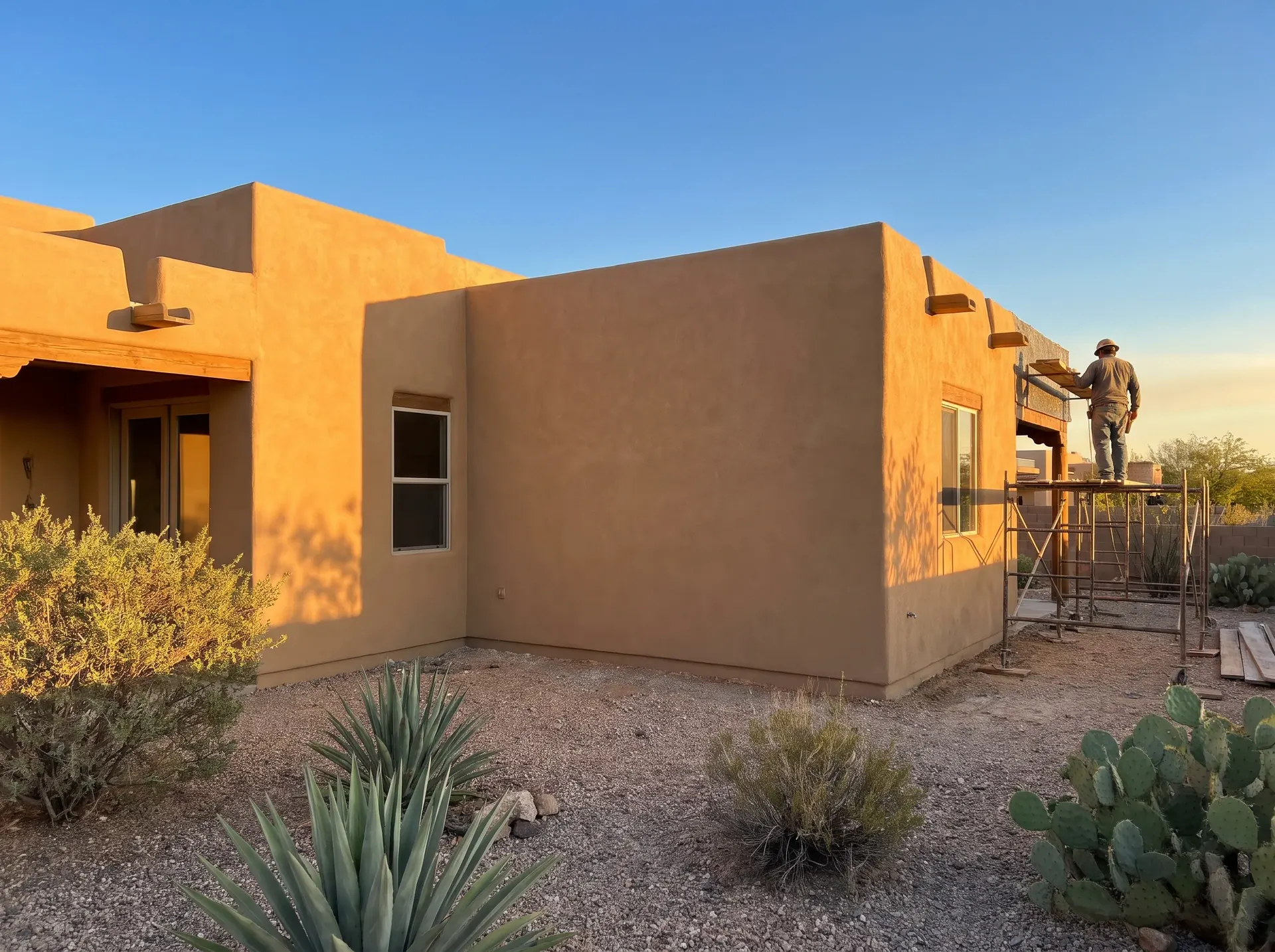
Lath, scratch, brown and finish coats for additions, garden walls and exterior upgrades on block or frame.
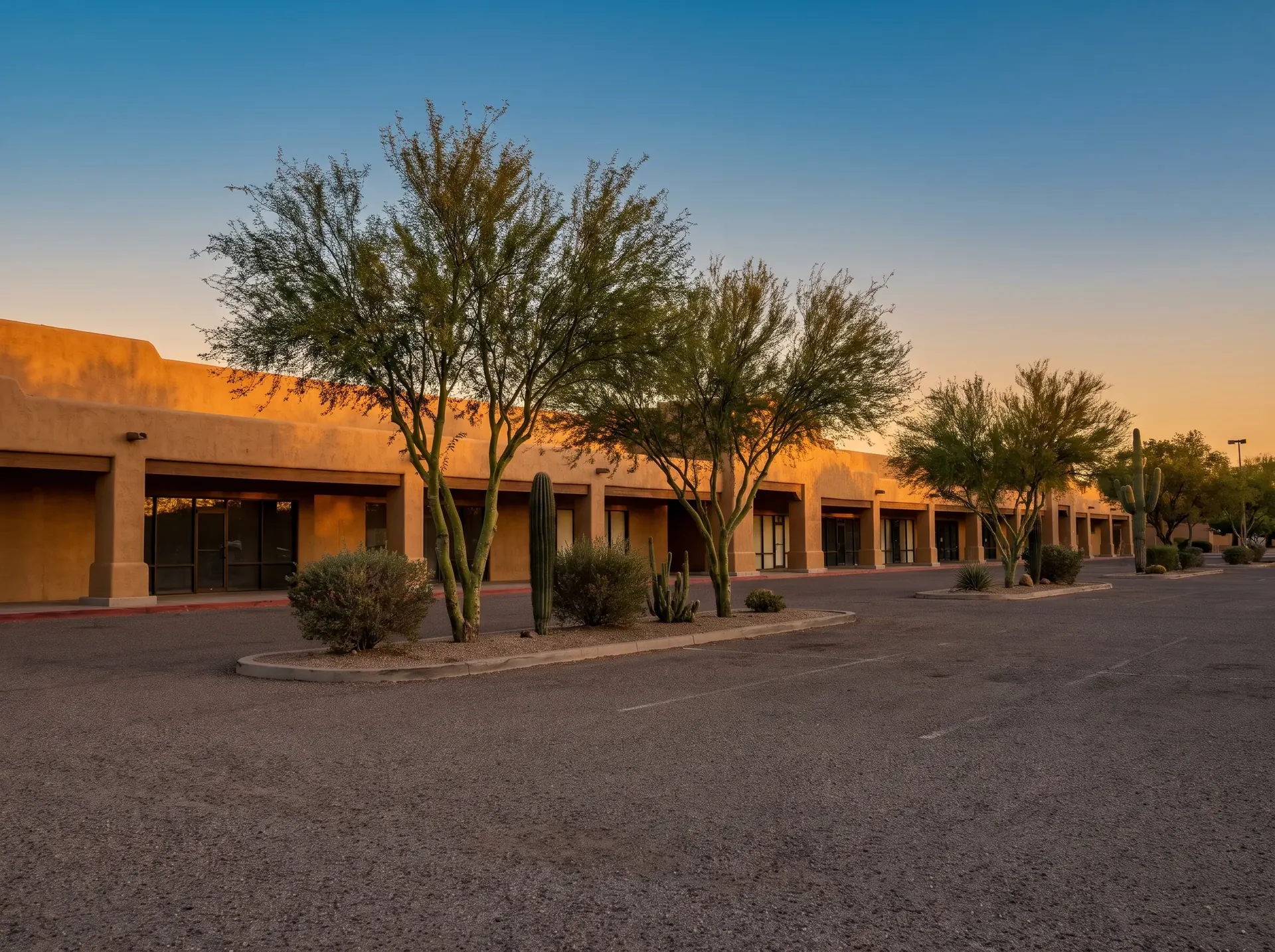
Shopping centers, offices, multifamily and HOA communities, with phasing and scope documents that suit a board or owner.
Tell us where the crack or stain is, how long you have noticed it, and whether it changes with rain. We will trace it and tell you what we find.
Mon to Fri, 7am to 4pm. Saturday estimates by appointment.